

Why You Need Evidence Locker
- Without proper logging or access control, video evidence may be inadmissible in legal or disciplinary procedures.
- FireLight™ ensures evidentiary material is secure.
- Essential for regulated industries and operations where accountability and transparency are mission-critical.
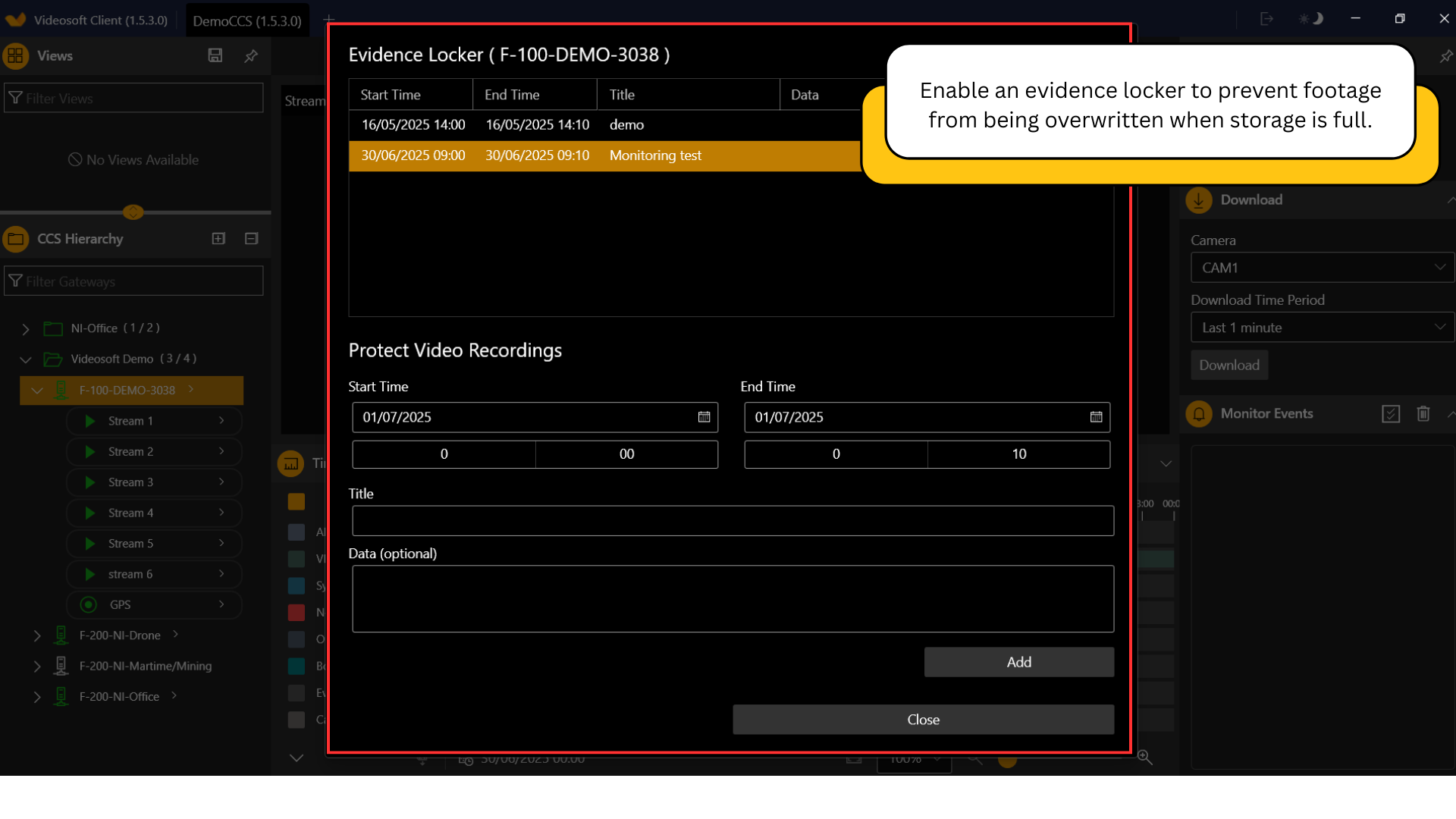
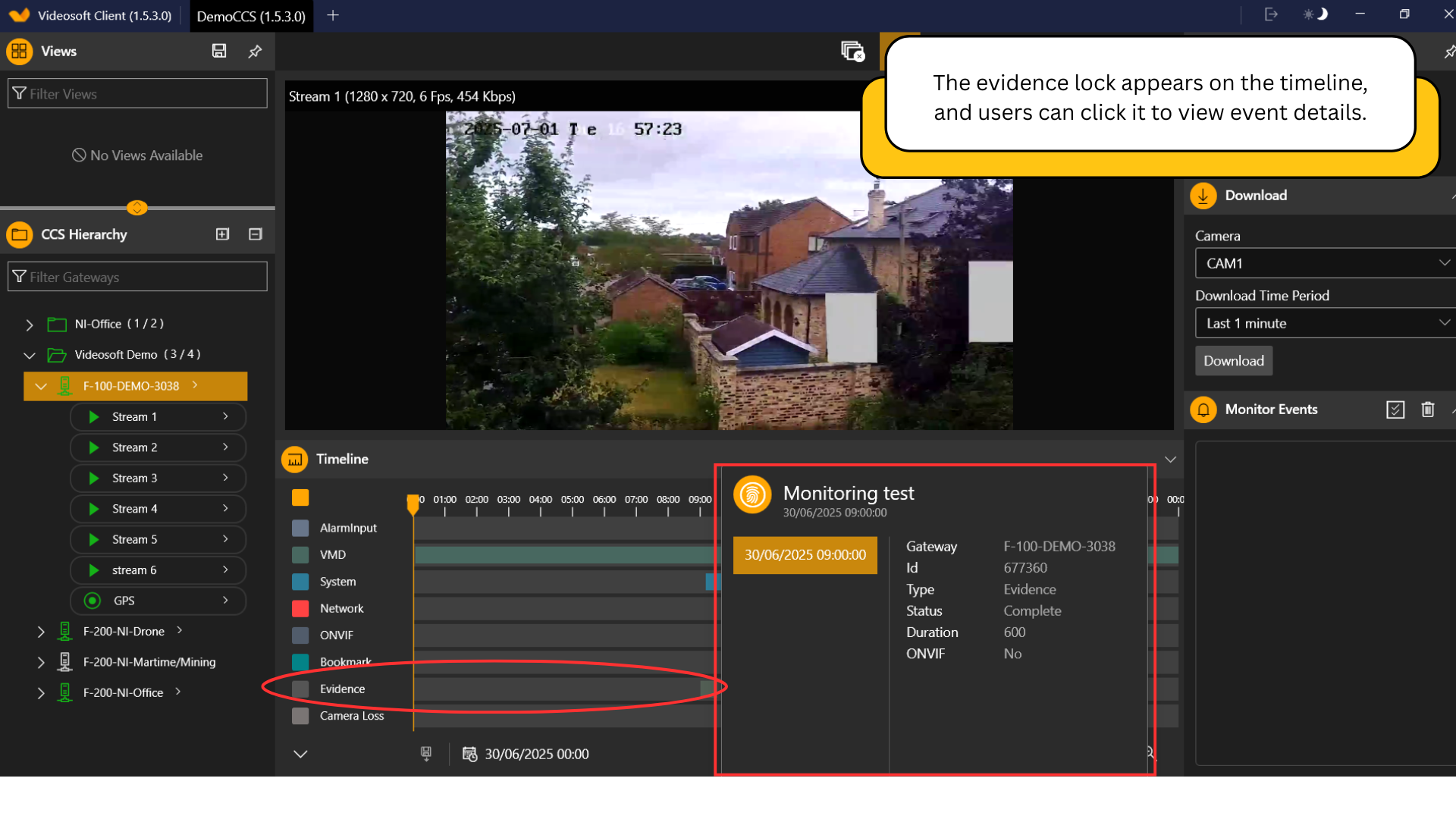
Value and Benefits:
Protects Legal Validity of Footage
Evidence remains tamper-proof with full timestamped records and user traceability
Ensures Regulatory Compliance
Ideal for law enforcement, border control, energy, and corporate security
Preventing Unauthorized Access
Role-based access means only designated personnel can handle sensitive footage
Reduces Risk and Liability
Demonstrates proactive control over evidentiary handling and data governance
Ready to transform your real-time video streaming experience?
Book a live demo, because seeing its capabilities is the best way to understand its full potential.
Request a demo
Frequently Asked Questions
What is the Evidence Locker, and how is it secured?
The Evidence Locker is a secure area on the local storage device where marked video segments are stored, protected by encryption, role-based access controls, and integrity checks to prevent tampering or deletion.
Can anyone access the Evidence Locker?
No. Access is restricted by user role. Only authorized personnel with the correct credentials and permissions can view or manage files in the Evidence Locker.
How long does a video stay in the Evidence Locker?
Once you tag a video for storage in the Evidence Locker, it remains there indefinitely until an authorized user manually deletes it. This ensures that critical evidence is preserved and accessible, even if it cannot be reviewed immediately after the event.